Ever called your cable company just to add one Hindi channel, and ended up paying for a whole bundle you didn’t even want? That happens to a lot of Indian families in the USA. You just want your shows, your news, your cricket. But cable keeps making you pay extra for stuff you’ll never watch. It gets annoying fast.
That’s why more and more families are quietly moving to an IPTV Service instead. No long calls to customer support. No confusing bundles. Just the channels you actually want to watch. This guide isn’t here to sell you anything. It just lays out how IPTV and cable really compare, so you can pick what’s best for your home.
What Is Cable TV, Really?
Cable TV is the old way of watching television. A company runs a real wire into your house. That wire brings you a set list of channels based on the plan you’re paying for. People have used it for years, so most folks already know how it works.
But here’s the thing. Cable plans usually don’t have enough Indian channels built in. If they do have some, you often need to pay extra for a “world package” or something called a “South Asian pack.” These extra packs cost more money, and you still get stuck in a long contract you can’t easily get out of.
What Is an IPTV Service?
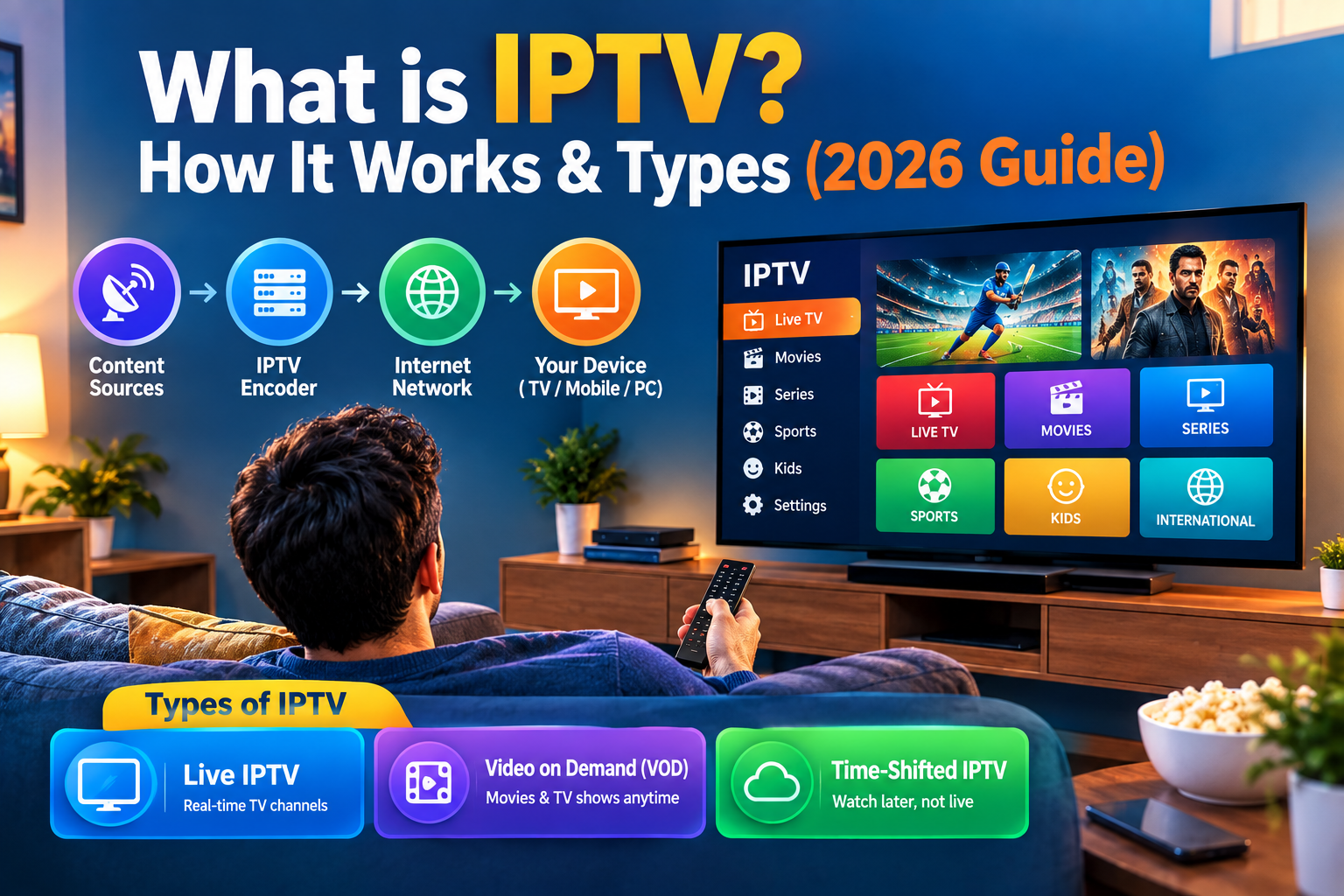
IPTV sends TV channels through your internet, not through a wire in the wall. All you need is decent internet and a smart TV or a small streaming box. No one has to come to your house. No drilling holes in your wall.
Read detailed – What is IPTV?
Most IPTV providers give you a huge list of channels, and that list usually includes full Indian channel packs. Hindi news, old and new movies, regional shows, cricket, devotional channels, all in one simple IPTV Subscription. That’s a big reason it’s become so popular with Indian families across the country.
Difference Between Cable TV and IPTV Service
Cable and IPTV might both put shows on your screen, but how they get there is completely different. One runs through a wire in your wall, the other runs through your internet connection. Here’s a quick table so you can see the differences at a glance.
| Feature | Cable TV | IPTV Service |
| Indian channels | Not many, costs extra | Lots, full packs |
| Setup | Someone has to come install it | You do it yourself in minutes |
| Contract | Often long, hard to cancel | Usually month to month |
| Equipment | Cable box and wires | Smart TV or small box |
| Price | Higher once you add extras | Usually lower overall |
| Needs internet | No | Yes |
That table gives you the quick version. Now let’s talk about why this actually matters for real Indian families.
Why So Many Indian Families Are Switching
Indian homes don’t just watch one kind of show. There’s Bollywood, there’s regional cinema, there’s news from back home, and there’s cricket that nobody wants to miss. Cable just doesn’t handle all that well unless you’re paying a ton every month.
Most IPTV plans already bundle Hindi, Tamil, Telugu, Punjabi, and Bengali channels together. You’re not stuck picking one language group and paying separately for each one. It’s all sitting in one simple plan.
Cricket is a huge reason people switch too. Cable’s sports add-ons are pricey and sometimes still skip certain matches. A lot of IPTV USA providers throw in dedicated sports channels, so you’re way less likely to miss a big game.
Do You Need Extra Equipment?
Cable needs a cable box for every single TV in your house. Want TV in the bedroom and the living room? That’s usually two boxes, two rental fees added to your bill every month, and more wires running everywhere.
IPTV is way simpler here. Most of the time, you just need an app. It works on a Firestick, an Android box, a smart TV, or even your phone and laptop. No rental fees, no extra boxes to plug in, and no technician has to walk through your house.
This matters more than people think. Families with more than one TV end up saving real money over time, since IPTV usually lets you stream on a few devices without charging you separately for each screen.
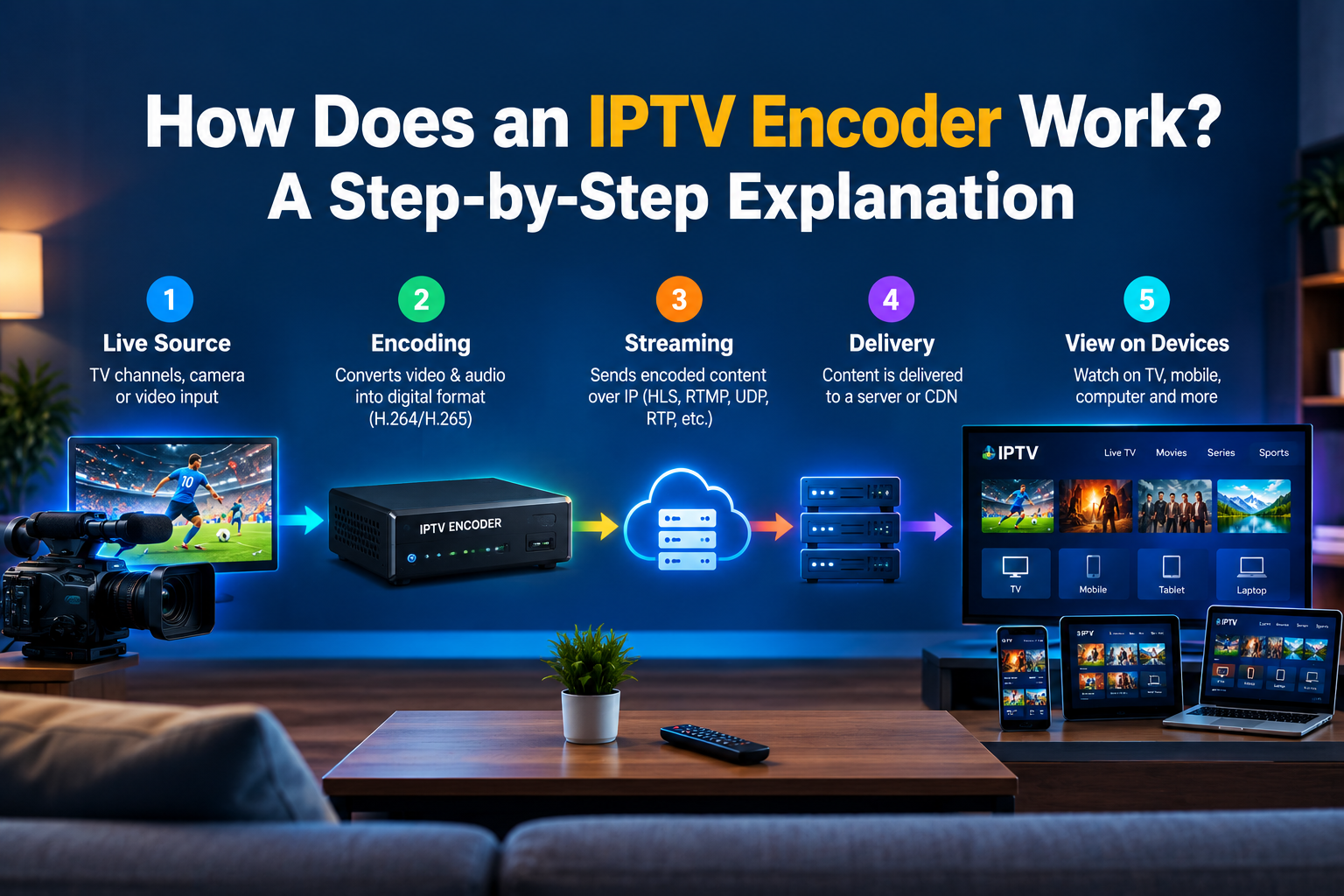
Read About – How Does an IPTV Encoder Work?
What About Customer Support?
Cable customer support is famous for long hold times. You call in, you wait, you explain your problem to three different people, and somehow the issue still isn’t fixed. It’s a common complaint you’ll hear from almost anyone who’s used cable.
IPTV support usually works differently. A lot of providers offer live chat or WhatsApp support instead of phone calls. Since the whole service runs on an app, fixing most problems takes a few messages back and forth, not an hour on hold listening to music.
Of course, support quality still depends on which provider you pick. Not every IPTV company is equally good at this, so it’s worth checking reviews before signing up, the same way you’d check reviews for anything else you’re paying for monthly.
Stuff You Should Check Before You Pick a Plan
Not every IPTV provider is the same. Some are great, some are honestly bad. Before you hand over your money, take a few minutes to check these things first. It really can save you a headache later on.
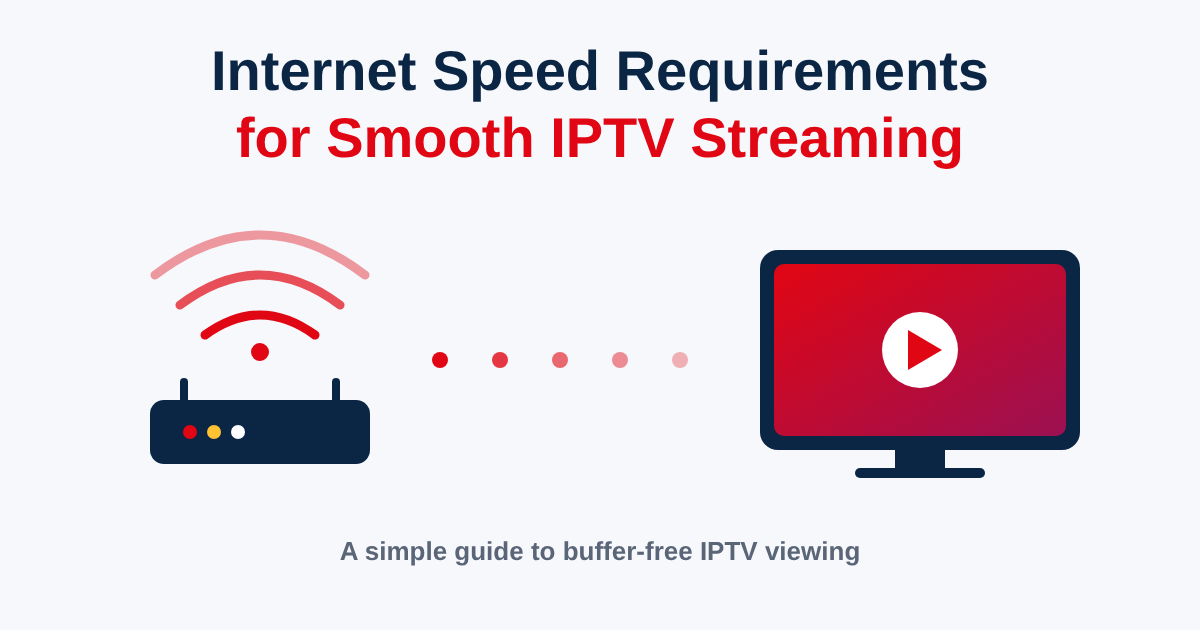
- Make sure your internet is fast enough, around 15-25 Mbps usually works fine for HD channels
- Ask if the plan has your exact regional channels, not just the basic Hindi ones
- Look for a free trial so you can test the picture before you pay anything
- Read real reviews about buffering problems and how fast support answers you
- Check that it actually works on your device, like Firestick, Android TV, or your smart TV apps
Just checking these small things ahead of time keeps you from picking a service that sounds great but lets you down once you’re actually watching it every day.
What Are You Actually Paying?
Cable companies love to hook you in with a cheap starting price. Then a few months in, the bill jumps up out of nowhere. Add the Indian channel pack, the box rental fee, some taxes, and suddenly you’re paying way more than you thought.
IPTV pricing is usually more honest upfront. Most providers charge one flat fee every month, and that fee already covers hundreds of channels. There’s usually no separate box rental either, since you’re using a device you probably already own, like a Firestick.
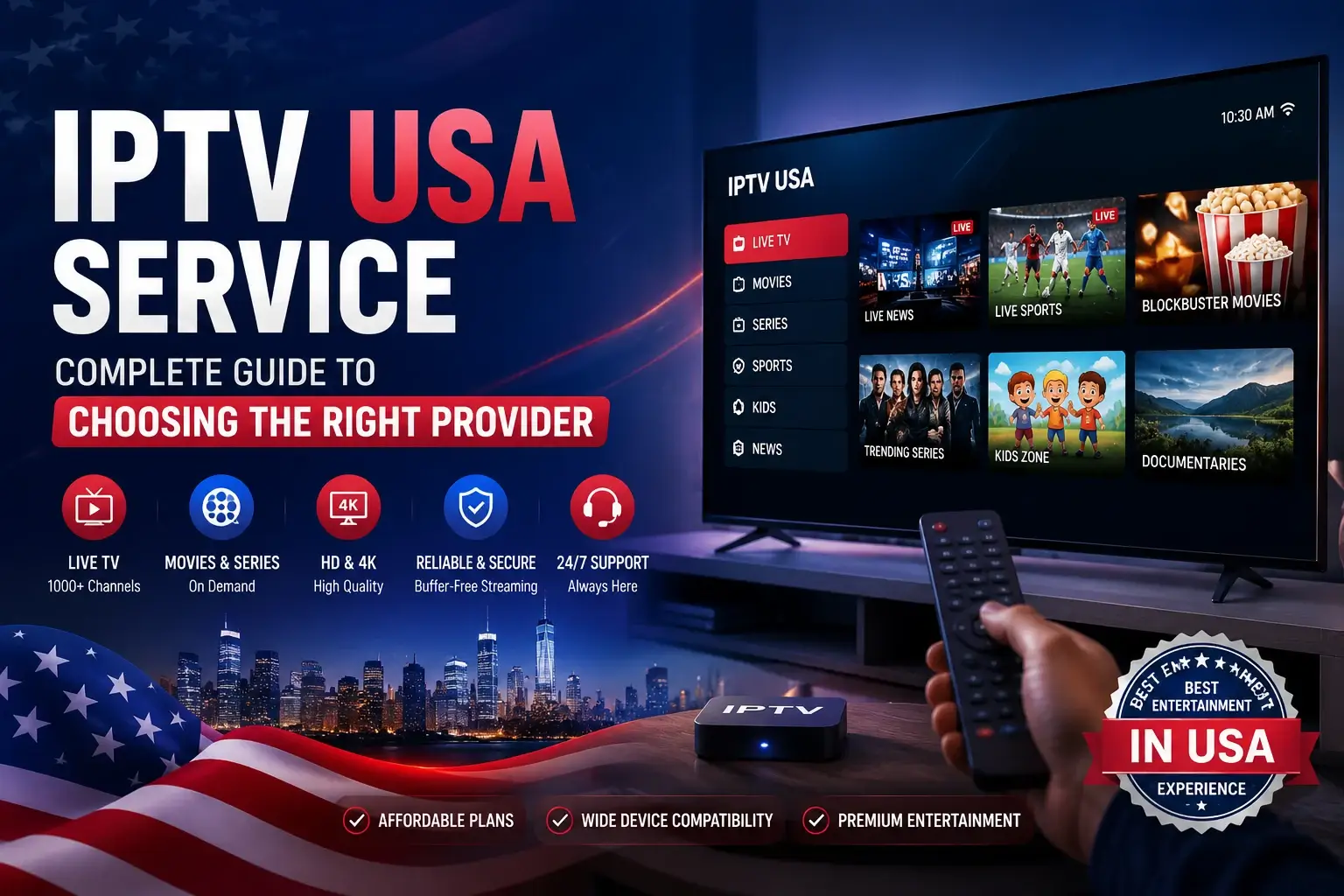
Prices do change from provider to provider, so it’s smart to compare a few plans before you commit. Checking a trusted IPTV Service page first gives you a much clearer idea of what you’re actually getting for your money.
What About Picture Quality?
Cable has always had a reputation for being steady, since it doesn’t rely on your home internet at all. But even cable can drop out during a bad storm or when there’s some issue on their end.
IPTV, on the other hand, depends completely on your internet. If your internet is solid, IPTV can look just as good as cable, sometimes even better, in full HD or even 4K. But if your internet is weak or too many devices are using it at once, you might see some buffering here and there.
How Flexible Is Each One?
This is where IPTV really pulls ahead for a lot of families. Cable companies love locking you into a one or two year contract. Try leaving early and you’ll probably get hit with a cancellation fee.
Most IPTV plans work month to month. Cancel whenever you want, no penalty, no drama. That kind of freedom matters a lot, especially for families who move around often or just want the option to switch without a hassle.
So Which One Should You Pick?
Honestly, there’s no one answer that fits every single family. If your home internet is strong and steady, and you want more Indian channels without paying for extra bundles, IPTV is probably going to be the better choice for you.
But if your internet connection isn’t that reliable, or you’d rather have something that doesn’t depend on Wi-Fi at all, cable might still make sense for now. It really comes down to how good your internet is and what channels matter most to your household.
Final Thoughts
Both cable and IPTV have their place, sure. But for most Indian families living in the USA, an IPTV subscription usually means more channels, more freedom, and often a smaller bill at the end of the month. It’s worth taking a little time to compare a few providers before you decide.
Don’t rush it. Check some reviews, try a free trial if it’s offered, and go with whatever actually fits how your family watches TV every day. At the end of the day, it’s your living room, your shows, and your choice.